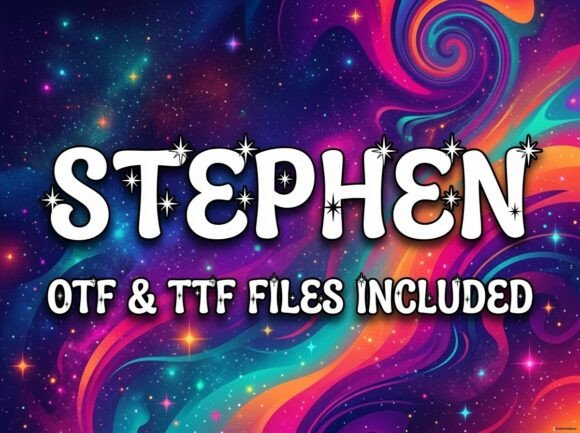
Stephen Typeface: Elevating Small Business Branding
When I sat down to redesign the packaging for a local artisanal candle shop, the biggest challenge wasn't the color palette or the logo shape—it was finding Fonts that could carry the weight of the brand’s personality without feeling heavy. The owner wanted something that felt warm yet premium, approachable but distinct. That is when I introduced her to Stephen. This Display typeface immediately changed the conversation, turning a generic label into a piece of art that customers actually wanted to keep. If you are a small business owner looking to refresh your visual identity, understanding how Stephen works can be the difference between blending in and standing out.
Using Stephen for Artisan Product Labels and Packaging Design
The first place most entrepreneurs notice the impact of typography is on their physical products. Whether you are selling handmade soaps, boutique coffee blends, or curated gift boxes, your packaging is your silent salesperson. Stephen shines in this arena because it is designed to capture attention at a glance. As a Display font, it is not meant for long paragraphs of text; instead, it thrives as the hero element on your box, jar, or tag. The bold, rounded letterforms create an instant sense of friendliness and quality, which is crucial for building trust with new customers.
In our candle shop project, we used Stephen for the scent names and the brand header. The font’s unique character—described as having a radiant-and-interstellar soul—added a touch of magic to simple glass jars. It didn’t just say "Lavender"; it made "Lavender" feel like an experience. For business owners, this means that investing in a premium Fonts library can elevate perceived value. When a customer picks up a product with well-chosen typography, they subconsciously associate the care taken in design with the care taken in crafting the product itself. Stephen helps bridge that gap, making your items look polished and professional straight off the shelf.
Creating Memorable Social Media Graphics with Stephen Display Font
Beyond physical goods, your digital presence requires consistent and eye-catching visuals. Instagram stories, Pinterest pins, and Facebook ads all compete for attention in a crowded feed. Using Stephen in your social media graphics can help stop the scroll. Because it is a Display typeface, it works best for short, punchy headlines rather than body copy. Think of it as the visual equivalent of a strong hook in a marketing email.
For example, if you are running a flash sale or announcing a new collection, setting the headline in Stephen ensures it reads clearly even on small mobile screens. The rhythmic scattering of details within the letterforms adds texture and interest, making static images feel more dynamic. Many small business owners make the mistake of using thin, delicate fonts for digital ads, which often get lost against busy backgrounds. Stephen, with its bold structure, maintains readability while adding personality. It pairs beautifully with clean sans serif fonts for the supporting text, creating a balanced hierarchy that guides the viewer’s eye from the headline to the call-to-action. This strategic use of Fonts can significantly improve engagement rates by making your content visually cohesive and easy to digest.
Enhancing Cafe Menus and Boutique Signage with Bold Typography
Brick-and-mortar businesses rely heavily on environmental typography to guide customer experience. A café menu or a boutique window sign needs to be legible from a distance while reflecting the vibe of the space. Stephen is an excellent choice for these large-format applications. Its interstellar soul translates into a modern, slightly whimsical aesthetic that feels welcoming rather than corporate. Imagine a chalkboard menu where the daily specials are written in Stephen; the bold rounds of the letters invite customers in, suggesting that the food inside is equally comforting and high-quality.
When designing signage, contrast is key. Stephen works well as a primary header font, while a simple, neutral sans serif handles the descriptions and prices. This combination ensures that the design feels curated rather than chaotic. For boutique owners, using Stephen on window decals or interior wall quotes can create Instagram-worthy moments that encourage user-generated content. Customers love taking photos of beautiful spaces, and distinctive typography is a major part of that appeal. By choosing a Display font with character, you are not just decorating; you are creating a brand landmark that people remember and share.
Pairing Stephen with Other Fonts for a Cohesive Brand Identity
One of the most common questions I get from clients is how to mix fonts without making their brand look messy. The secret lies in contrast and harmony. Stephen is a versatile partner because its bold, rounded nature allows it to play well with a variety of secondary typefaces. For a modern, clean look, pair it with a geometric sans serif. This combination is perfect for tech startups, modern bakeries, or minimalist skincare brands. The simplicity of the sans serif lets Stephen take center stage without competing for attention.
If you want a more elegant or traditional feel, try pairing Stephen with a classic serif font. The juxtaposition of the bold, contemporary display letters with the refined serifs creates a sophisticated tension that works well for luxury goods, wedding invitations, or high-end consulting firms. Avoid pairing it with other decorative or script fonts, as this can lead to visual clutter. Remember, the goal of your brand identity is clarity. Stephen should be the star, supported by a reliable ensemble cast of Fonts that enhance readability and structure. Always test your pairings in real-world scenarios, such as on a business card or a website banner, to ensure they work together harmoniously across different mediums.
Checking Licensing and File Formats for Commercial Use
Before you fall in love with a typeface and start applying it to every asset you own, it is crucial to handle the technical and legal side of things. When you download Stephen, ensure you understand the licensing terms. Most premium Display fonts offer different licenses for personal use, commercial use, and web embedding. If you are selling products with the font on the label, you need a commercial license. If you are using it on your website, check if a webfont license is included or required separately.
Additionally, check the file formats provided. You will typically want OTF or TTF files for print design and packaging, while WOFF or WOFF2 formats are ideal for web design. Having the right files ensures that your branding looks crisp whether it is printed on a tiny sticker or displayed on a 4K monitor. Also, explore any included alternates or ligatures. These small details can add uniqueness to your logo or headers, giving your brand a custom-designed feel without the custom price tag. Taking these steps ensures that your investment in Stephen pays off in consistency and professionalism across all your customer touchpoints.